Skip to content

style> table { width: 100%; border-collapse: collapse; margin: 1.5em 0; } table th, table td { border: 1px solid #ddd; padding: 12px; text-align: left; } table th { background-color: #f5f5f5; font-weight: bold; } table tbody tr:nth-child(even) { background-color: #fafafa; } </style
After weeks of triple-digit temperatures, your Modesto HVAC system may still be keeping the house comfortable, but that does not necessarily mean it came through summer without extra wear. Long cooling cycles put continuous demand on the compressor, outdoor coil, electrical components, blower, and airflow system, especially when the equipment is running through the hottest part of the Valley summer.
That does not mean every system needs a major repair after a hot season. The better question is whether your system is showing signs that it worked harder than usual or whether a small issue developed while it was running almost every day. A post-summer maintenance visit can identify those problems before they become a no-cooling call during the next heat wave.
What Does a Full Summer of Runtime Actually Do to a System?
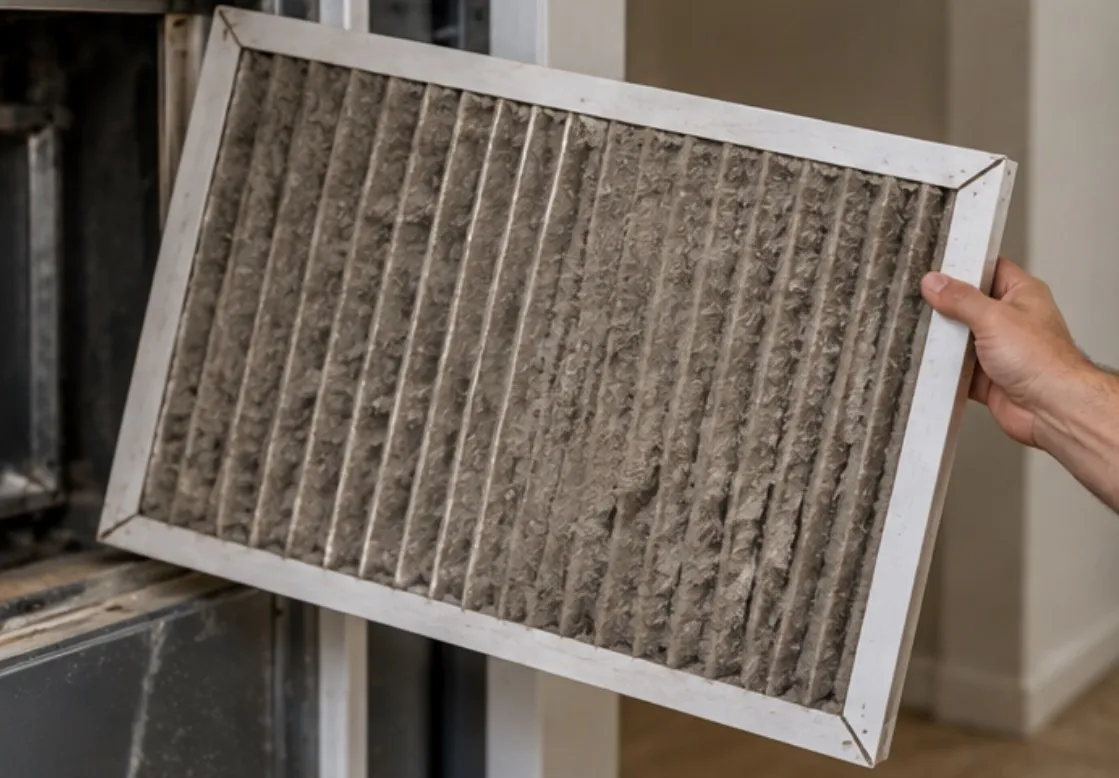
An air conditioner is designed to operate within specific outdoor conditions, but sustained extreme heat can increase runtime as the system works to maintain the thermostat setting. Longer cycles are not automatically a sign of trouble, but they do mean components have spent more hours operating under demanding conditions.
By the end of a Modesto summer, several parts of the system may deserve closer attention:
- Outdoor coil: Dust, debris, and seasonal buildup can restrict heat transfer and reduce efficiency.
- Electrical components: Contactors, capacitors, and connections experience repeated cycling throughout the cooling season.
- Compressor: Extended operation in high outdoor temperatures puts additional operating demand on the system.
- Airflow components: A dirty filter, blower issue, or restricted ductwork can make the system work harder to move conditioned air.
- Drain system: Condensate lines and pans can collect buildup during months of continuous cooling.
The important point is that summer wear does not always produce an obvious symptom immediately. A system can finish the season still cooling the home while a dirty coil, aging capacitor, restricted drain, or marginal electrical component is already affecting its next season of operation. That is why checking the system after sustained heavy use can be useful before the next period of extreme weather.
Which Modesto Systems Should Be Looked At First?
Some systems come through a hard summer with very little to show for it, while others accumulate the wear that will decide next season. The difference usually comes down to age, service history, and how hard the equipment was asked to work.
The situations below tend to justify an earlier appointment across Modesto and the surrounding Valley. An on-site assessment is still what settles it, but this can help you judge where your own system sits.
| Situation | Why It Should Be Seen Sooner |
|---|---|
| A system more than ten years old | Components that were already aging have just been through their hardest stretch. |
| No service in the past two seasons | Charge, capacitance and amp draw have not been checked against specification. |
| Noticeably longer run times this year | Often the first sign that heat rejection or refrigerant charge has drifted. |
| A breaker that tripped during the heat | Can indicate high pressure, or a component drawing more current than it should. |
| Water seen around the indoor unit | Suggests a condensate drain that filled with biological growth over the summer. |
| A home near orchards or unpaved roads | Outdoor coils load with dust and harvest debris far faster in these locations. |
A system that gave no trouble at all still belongs on the list. Capacitance, refrigerant charge and amp draw are instrument readings rather than things a homeowner can observe, so a quiet summer proves very little about the margin left in the equipment.
What Makes Post-Summer Timing Better Than Waiting for Spring?

Maintenance can be booked at any point in the year, but the weeks after a heavy cooling season tend to be the most productive time to do it. The system has just been tested harder than it will be again for months.
Catches Failures While the Evidence Is Still Fresh
A component that struggled through August will often still show it in September, in readings that drift back toward normal once the system sits idle. Finding it now can be considerably easier than finding it later.
Puts You Ahead of the Heating Season Rush
Fall is when furnace and heat pump calls begin climbing across the Valley. Booking cooling work before that shift usually means shorter waits and more flexible appointment times than the same request in November.
Spreads Repair Costs Outside the Peak Months
A repair identified in the shoulder season can be scheduled rather than treated as an emergency. That tends to be the difference between planning a cost and simply absorbing whatever it turns out to be.
Protects the System Through the Idle Months
A low refrigerant charge or a fouled coil does not improve while the system sits unused over winter. Addressing it before the off season can stop a small problem widening into a larger one.
If you are unsure whether your system needs anything, an assessment can settle it quickly. A technician who measures rather than inspects visually is better placed to tell you whether something genuinely needs work, or whether the equipment simply needs watching through next year. Our AC maintenance service covers that measurement side.
What Should a Tune-Up Actually Measure?
There is a meaningful difference between a maintenance visit that produces readings and one that produces a clean outdoor unit. The first tells you where the system stands, and the second mostly tells you that somebody was there.
The items below are the measurements that carry real diagnostic weight on a residential cooling system. Asking which of them were taken is a reasonable way to judge the quality of the work.
| What Gets Measured | What the Reading Tells You |
|---|---|
| Run capacitor capacitance | Whether the component still meets its rated value or has already begun to fail. |
| Compressor and fan amp draw | Whether the motors are drawing more current than they should under load. |
| Charge by superheat or subcooling | Whether the refrigerant charge is correct, rather than merely present. |
| Temperature split across the indoor coil | Whether the system is actually removing the heat it was sized to remove. |
| Condenser coil condition | Whether the system can reject heat, which affects both comfort and running cost. |
| Condensate drain and float switch | Whether summer growth has left the drain at risk of overflowing indoors. |
A reading that has drifted does not always mean a repair is due today. It does mean the trend is known, and a component measuring below specification can then be replaced on your schedule rather than on the hottest afternoon of next summer. Where the readings suggest a system is nearing the end of its service life, AC replacement in Modesto is a conversation better had in autumn than in July.
What Happens During an AC Maintenance Visit?

A maintenance visit follows a fairly consistent order, and the order itself matters. Electrical readings are taken before anything is cleaned or adjusted, because cleaning a system first can mask the very condition the visit was meant to find.
Taking Electrical Readings Before Anything Is Cleaned
Capacitance and amp draw are recorded while the system is still in the condition you have been running it. Cleaning first can shift those numbers and hide a component that was close to failing.
Verifying Charge Against Manufacturer Specification
Charge is confirmed by superheat or subcooling rather than by pressure alone, because pressure can look acceptable on a system that is genuinely short. The method used determines whether the reading means anything.
Cleaning the Coil and Clearing the Condensate Drain
The outdoor coil is cleaned so the system can reject heat properly again, and the condensate drain is cleared and its float switch tested. Both matter more in the Valley than a national maintenance schedule assumes.
Leaving You With Numbers Rather Than a Verdict
The readings should come back with the technician in a form you can keep. A record of where the system measured this year is what makes next year’s visit worth comparing against.
A visit that ends with a clear set of figures gives you something to act on. It also gives any future HVAC contractor a baseline, which is worth considerably more than a note saying the system looked fine on the day.
Is a Maintenance Plan Better Than Booking Each Visit Separately?
Both approaches can keep a system in good condition, and the better option depends mainly on whether the visits actually happen. A plan is worth little if the same work would have been booked anyway, and worth a great deal if it would not.
A plan usually covers two visits a year, which suits this climate because cooling and heating need attention on separate schedules. Pairing the cooling visit with furnace maintenance in Modesto keeps both seasons covered, and a plan also tends to carry priority scheduling, which matters most during the weeks when contractors across Stanislaus County are fully booked.
Booking visit by visit can work well for a newer system still under warranty, where the service history is already being tracked. For older equipment, or a household that tends to postpone, the consistency of a plan is usually the more practical route.
FAQs
Is September Too Late to Book Cooling Maintenance?
September is generally one of the better months for it. The system has just finished its hardest work, so anything marginal is still measurable, and the fall heating rush has not yet started across the Valley.
Does My System Need Work If Nothing Went Wrong?
Possibly, and there is no reliable way to know without instruments. A system can run an entire summer on a capacitor already measuring below its rated value, because that component usually gives very little warning before it fails outright.
How Often Should a Modesto System Be Serviced?
Twice a year suits this climate, with cooling checked in spring and heating in fall. A single annual visit means one of the two seasons always goes into service without having been measured at all.
Should the Filter Be Changed More Often in Summer?
Usually yes, and more often again through harvest and smoke season. A filter restricts airflow well before it looks dirty, and restricted airflow across the indoor coil can make an otherwise healthy system underperform.
Can a Low Refrigerant Charge Simply Be Topped Up?
Refrigerant can be added, but a sealed system does not consume it, so a low charge indicates a leak. Adding more without locating that leak usually means paying for the same repair again the following year.
Why Choose Dycus Heating and Air Conditioning for AC Maintenance in Modesto?
After a demanding Modesto summer, the goal of maintenance is not simply to find something wrong. It is to understand how your system performed, identify components showing wear, and determine whether anything needs attention before the next cooling season. At Dycus Heating and Air Conditioning, our team takes that measured approach rather than recommending work without first evaluating the equipment.
Dycus Heating and Air Conditioning has been family owned in Modesto since 2001, and our technicians are NATE-certified. We provide residential HVAC service throughout the area, with our Modesto service page outlining the services available locally. If your system needs more than routine maintenance, we can also help with AC repair in Modesto when testing identifies a component that needs attention.
If your air conditioner ran unusually long during this year’s heat, struggled to maintain the thermostat setting, or has gone several seasons without a detailed inspection, post-summer is a practical time to have it evaluated. Call (209) 544-8072 to schedule service and get a clearer picture of your system’s condition before another Modesto heat wave puts it to work.