Skip to content
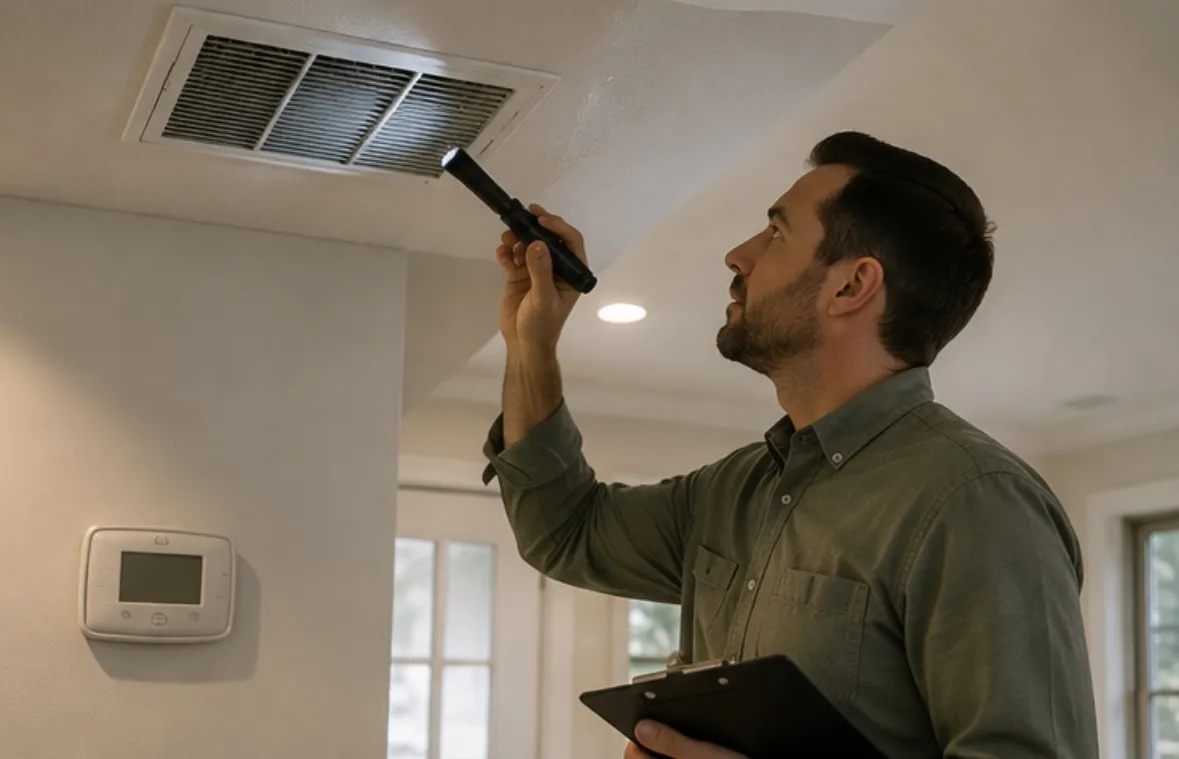
Buying an older home in Modesto is exciting, but the HVAC system often hides its history. A charming house built decades ago may come with an aging air conditioner and furnace that no one has documented. Before you commit to the purchase, knowing the true condition of that system can save you thousands of dollars and a very uncomfortable first summer.
A general home inspection touches the HVAC system, but only lightly. It confirms the unit turns on, not how much life it has left, how efficiently it runs, or whether it hides a safety issue. For an older Central Valley home, where systems work hard against extreme heat, that surface-level check leaves major questions unanswered right when the stakes are highest.
This guide answers the question directly. What should a proper HVAC inspection check before you buy an older Modesto home? It walks through the full checklist a qualified technician should cover, the red flags specific to older homes, and how the findings help you negotiate or plan. By the end, you will know exactly what to ask for.
Why a Standard Home Inspection Is Not Enough for HVAC
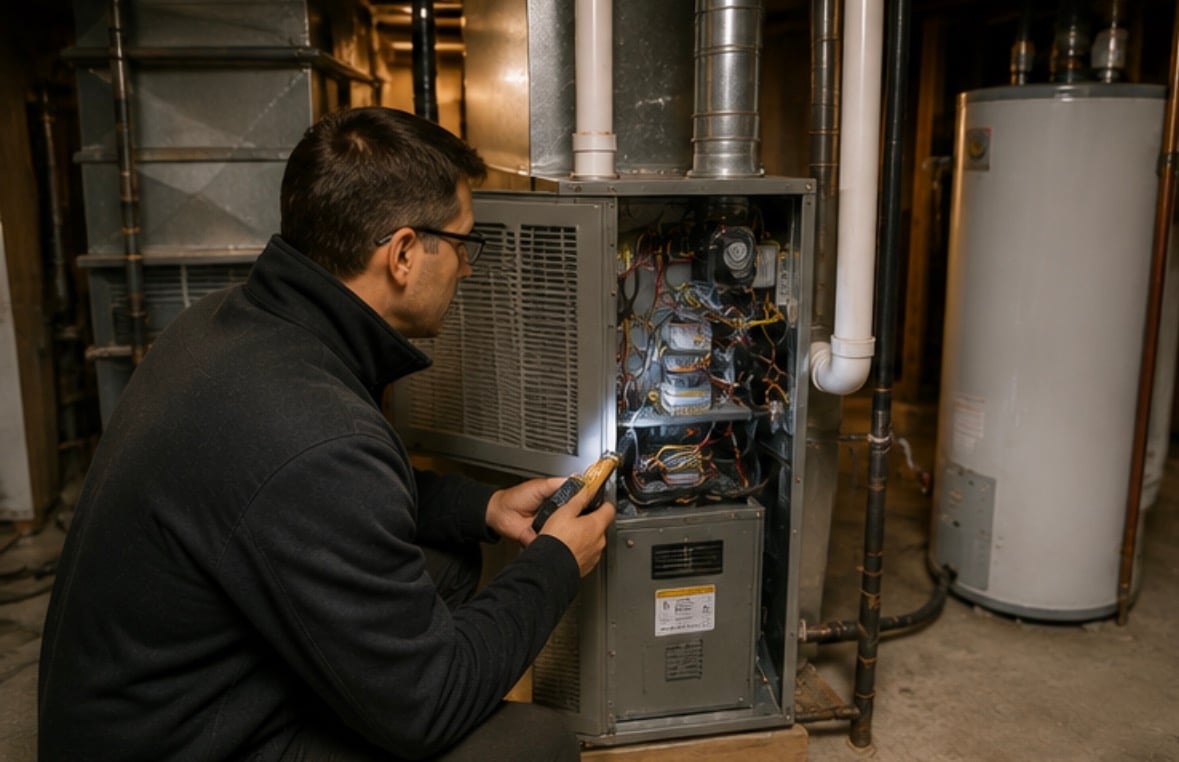
A general home inspector is a valuable generalist, checking dozens of systems across the whole house. But they are not HVAC specialists, and their review of the heating and cooling system is usually brief. They confirm it powers on and produces hot or cold air, which tells you almost nothing about its remaining lifespan, efficiency, or hidden safety concerns.
A dedicated HVAC inspection goes far deeper, performed by a technician with the tools and training to evaluate the equipment properly. For an older home, that difference is critical. The gap between a system that runs today and one that will survive a Modesto summer safely and affordably is exactly where a specialist inspection earns its cost many times over.
What a Proper HVAC Inspection Should Check
A thorough HVAC inspection should create a clear picture of the equipment you are about to inherit. The technician should document the major components, identify visible or measurable problems, and explain which findings require immediate attention versus future planning.
| What the inspection checks | Why it matters |
|---|---|
| Equipment age | Shows whether the system is approaching the later part of its service life. |
| System capacity and sizing | Helps determine whether the equipment appears appropriate for the home’s demands. |
| Refrigerant type | Identifies older equipment that may present future service considerations. |
| Ductwork condition | Reveals leaks, damage, or restrictions that can affect comfort and efficiency. |
| Electrical components | Identifies visible or measurable concerns affecting reliability and safety. |
| Heat exchanger and safety | Helps identify combustion-related conditions requiring further attention. |
| Airflow and performance | Shows whether the system is delivering heating and cooling effectively. |
| Maintenance history | Provides context about previous service and ongoing system care. |
Each item tells part of the story, and together they reveal whether you are inheriting a dependable system or a looming expense. A good technician does not just note problems, but estimates how urgent and costly each one is, giving you a realistic picture of what the HVAC will need in the years right after you move in.
Red Flags to Watch for in an Older Modesto Home
Certain findings deserve extra attention in an older home. A system using R-22 refrigerant is a major one, since U.S. production ended in 2020, making leaks expensive to service and signaling the unit is likely over a decade old. An oversized or undersized system, common in older homes, points to comfort and efficiency problems ahead.
Conditions That Deserve a Closer Look
- Advanced equipment age: An older system may require replacement planning even if it is operating today.
- R-22 equipment: Older systems may use R-22 refrigerant, which has been phased out of U.S. production.
- Heavy corrosion: Significant rust or deterioration can indicate age, moisture exposure, or neglected maintenance.
- Poor duct condition: Leaking, damaged, or disconnected ducts can reduce delivered airflow and efficiency.
- Repeated repairs: Multiple recent service calls may indicate declining reliability.
- Poor cooling performance: Difficulty maintaining comfortable temperatures can point to equipment or distribution problems.
- Safety concerns: Furnace or combustion-related findings require prompt professional attention.
Other warning signs include heavy rust or corrosion on the equipment, obvious deferred maintenance, ductwork that leaks or was never sealed, and any indication of a cracked heat exchanger. In Modesto’s climate, an inefficient or failing system also means punishing summer energy bills. None of these are automatic deal-breakers, but each one belongs in your decision.
How to Use the HVAC Inspection Before You Close
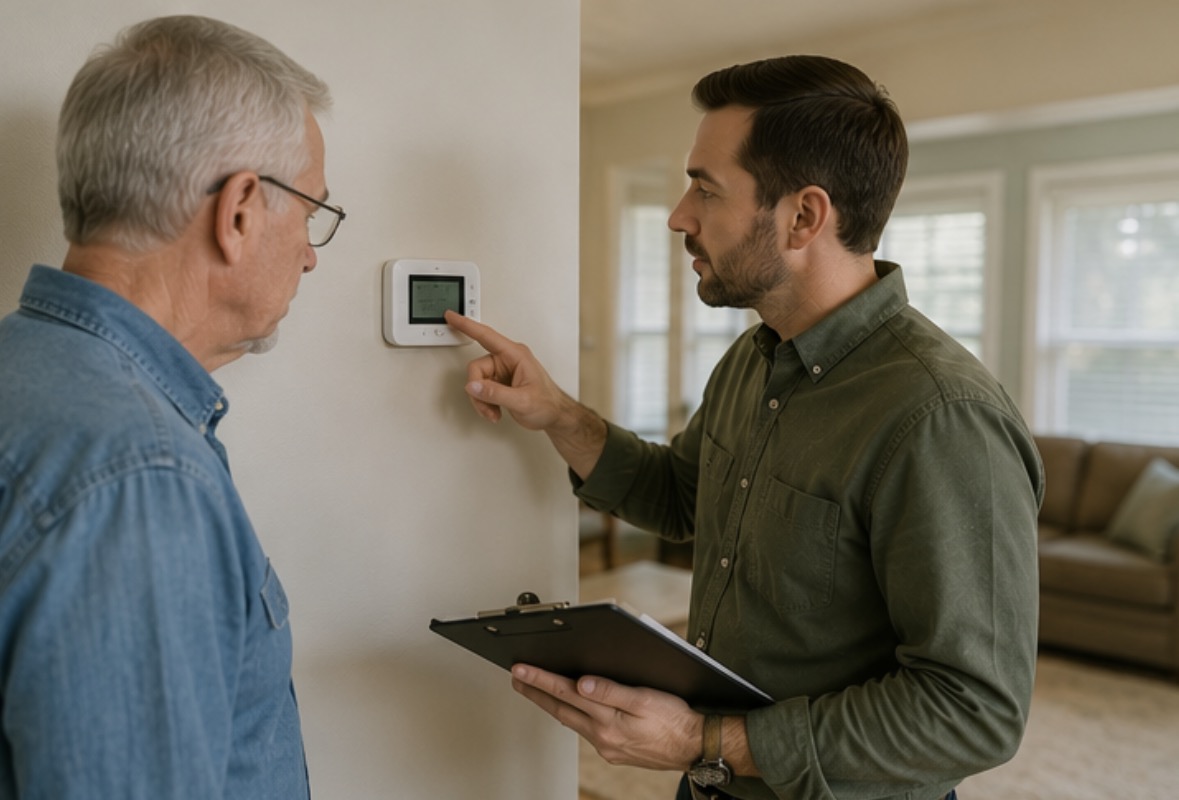
The inspection becomes most valuable when it gives you information you can act on before signing the final paperwork. If the technician finds a worn capacitor, damaged ductwork, poor airflow, or another repairable issue, you can ask the seller to address it or factor the repair into your negotiations.
A more serious finding may change the financial picture of the home. If the AC is near the end of its service life and the inspection shows declining performance, you may want to budget for AC replacement rather than treating the system as a reliable long-term asset.
Separate Immediate Problems From Future Costs
Not every finding deserves the same weight. Ask the technician to distinguish between something that needs attention before closing and something that can reasonably be monitored after you move in.
| Inspection Finding | What to Consider Before Closing |
|---|---|
| Minor repair | Determine whether the seller should correct it or provide a credit |
| Poor airflow | Find out whether duct repairs or system adjustments are needed |
| Older equipment | Establish whether replacement should be part of your near-term budget |
| Repeated failures | Consider whether another repair is worthwhile |
| Major component concern | Compare the repair cost with the remaining value of the system |
| Safety issue | Address the problem before relying on the equipment |
This approach keeps the inspection from becoming a simple pass-or-fail exercise. You are trying to understand the financial and comfort implications of the HVAC system before it becomes your responsibility.
What to Ask the HVAC Contractor Before Hiring Them
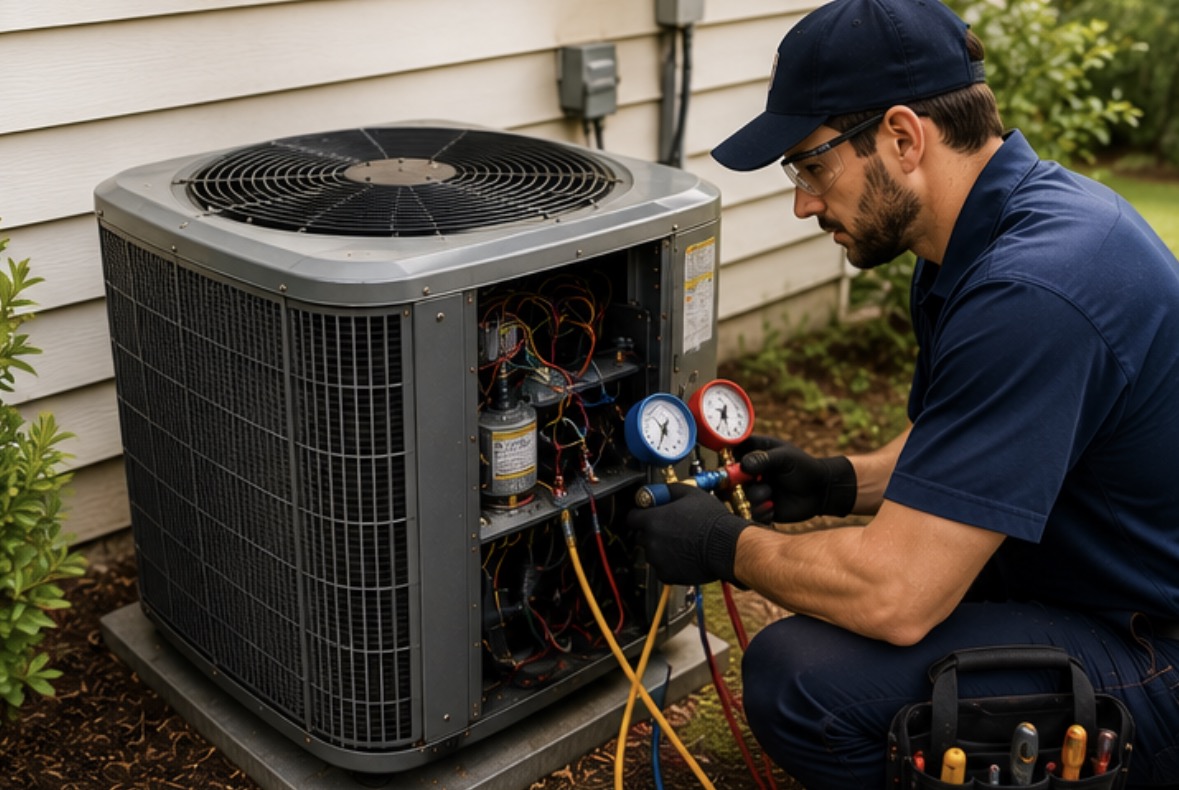
The quality of the inspection depends heavily on who performs it. For an older Modesto home, look for a contractor who will evaluate the equipment rather than simply confirm that it turns on.
Before scheduling, ask whether the technician will document the equipment age, evaluate cooling and heating performance, inspect accessible ductwork, check major electrical components, and explain which findings require immediate attention. You should also receive a clear explanation of anything that could lead to a significant repair or replacement shortly after closing.
Choose an Inspector Who Gives You Usable Answers
A good pre-purchase HVAC evaluation should leave you able to answer three questions:
- What condition is the system in today?
- What needs attention before or soon after I move in?
- Would you repair this system or start planning for replacement?
That is more useful than a report filled with technical observations but no explanation of what they mean for you as the buyer. An experienced local air conditioning contractor should be willing to explain the findings in homeowner-friendly language and let the inspection results guide the recommendation.
Why Dycus Heating and Air Conditioning for a Pre-Purchase HVAC Inspection?
When you are buying an older Modesto home, you need an HVAC contractor who will tell you what the equipment actually needs, not use the inspection as an opportunity to push a replacement. Dycus Heating and Air Conditioning has served Modesto and the Central Valley since 2001, with NATE-certified technicians who evaluate the system’s condition and explain the findings clearly.
Our focus is helping you make the decision before the HVAC becomes your responsibility. If the system needs a straightforward AC repair, we can identify that. If its age and condition make replacement the more sensible path, we can explain why and provide a clear replacement option.
If you’re considering an older home in Modesto, have the HVAC system evaluated before you close. The right inspection can tell you whether you’re buying a system that simply needs maintenance, one that needs repairs, or one you should budget to replace.