Skip to content

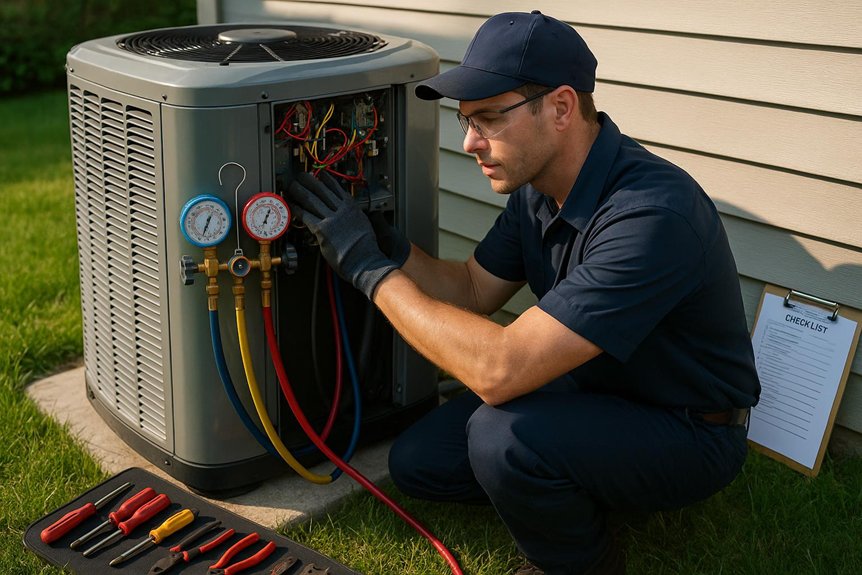
In Modesto, your air conditioning system doesn’t get much downtime once summer begins. Long cooling cycles, high temperatures, and constant usage slowly reduce performance, even if your system seems to be working fine. Many homeowners only notice issues when cooling becomes inconsistent or energy bills rise unexpectedly. A professional AC tune-up is designed to catch these hidden problems early and restore efficiency before peak demand. In this guide, you’ll see exactly what happens during each step and how it protects your comfort and system reliability.
Why a Professional AC Tune-Up Is Important for System Performance
Understanding System Efficiency in Central Valley Conditions
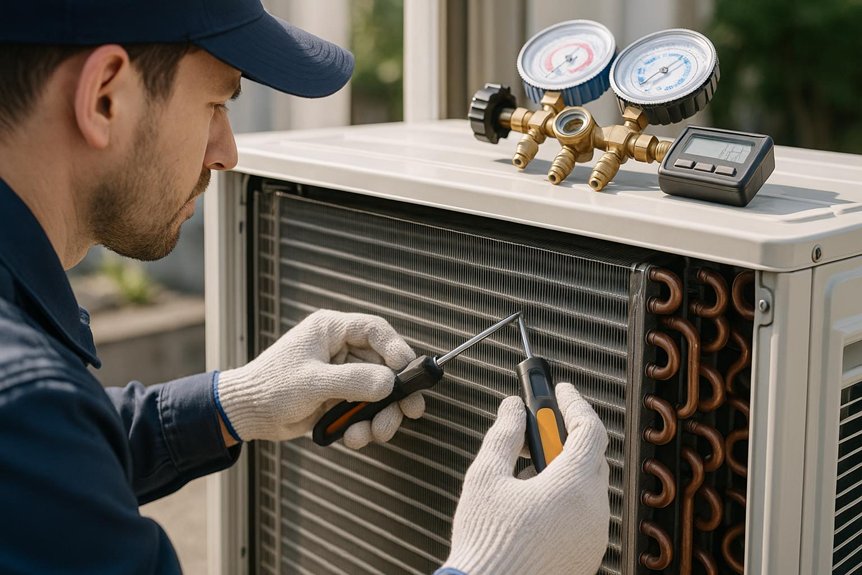
In the Central Valley, air conditioning systems operate under continuous stress during extended summer heat. This constant usage leads to gradual efficiency loss, airflow restrictions, and increased strain on internal components. Without regular servicing, these issues build up quietly until performance drops noticeably. A professional tune-up ensures your system is optimized before reaching that point, helping maintain consistent cooling and lower operating costs.
How Regular Tune-Ups Improve Cooling Efficiency
Regular air conditioner tune-ups focus on restoring your system’s ability to cool efficiently under high-demand conditions. Each adjustment and cleaning step directly improves airflow, heat transfer, and system balance.
- Coil Cleaning: Removes dirt buildup from coils, improving heat transfer and restoring efficient cooling performance quickly.
- Airflow Optimization: Clears airflow restrictions inside ducts and components, allowing consistent air distribution across your home.
- Refrigerant Balance: Ensures proper refrigerant levels for stable cooling output and improved humidity control indoors.
- Filter Replacement: Replaces clogged filters that restrict airflow and force your system to work harder.
- System Calibration: Adjusts thermostat and system settings to maintain accurate temperature control and efficient operation.
- Performance Tuning: Fine-tunes system components to reduce energy usage and improve overall cooling consistency.
In many Modesto homes, homeowners notice their AC running longer but cooling less effectively. A tune-up corrects these inefficiencies early. Scheduling routine AC maintenance helps maintain performance and prevents gradual energy loss over time.
Why Preventive Maintenance Reduces Breakdowns
Small issues inside your AC system rarely stay small for long, especially during extreme heat. Preventive maintenance identifies and resolves these problems before they lead to system failure.
- Early Detection: Identifies worn components before failure during peak summer demand in high-temperature conditions.
- Electrical Stability: Tightens loose connections that can cause system shutdowns or inconsistent operation under load.
- Debris Removal: Eliminates buildup that blocks airflow and reduces system efficiency over time.
- Drain Cleaning: Prevents moisture accumulation that can damage components and affect indoor air quality.
- Component Protection: Reduces stress on motors and compressors during long cooling cycles in hot weather.
- System Reliability: Ensures consistent performance without unexpected breakdowns during continuous system operation.
During peak summer, many homeowners face sudden AC failures caused by overlooked issues like clogged coils or loose wiring. Preventive maintenance helps avoid these situations entirely. Investing in regular AC repair services support when needed ensures your system stays reliable when demand is highest.
Step 1 – Complete System Inspection and Performance Check
Initial System Evaluation Before Peak Usage
A professional tune-up always begins with a detailed inspection to evaluate your system’s current condition. Even if your AC appears to be working, hidden issues may already be developing. This step ensures every component is checked before your system enters continuous summer operation. It provides a clear baseline for performance and identifies any early warning signs that need attention.
What Technicians Inspect During Initial Evaluation
During this stage, technicians perform a detailed check of your AC system’s core components to ensure safe and efficient operation. They examine airflow, electrical connections, coils, refrigerant lines, and drainage systems to identify early signs of wear, inefficiency, or hidden issues before they affect performance.
- Thermostat Accuracy: Checks temperature readings to ensure your system responds correctly to cooling demands.
- Air Filter Condition: Evaluates airflow restrictions caused by dirt, dust, and debris buildup inside filters.
- Electrical Inspection: Reviews wiring and connections for safety risks and consistent power supply during operation.
- Component Assessment: Inspects coils, blower motor, and internal parts for wear or performance issues.
- Drain System Check: Ensures condensate drain lines are clear and functioning properly without blockages.
- Refrigerant Line Review: Confirms refrigerant lines are intact and free from leaks or damage.
This inspection often reveals issues homeowners don’t notice, such as airflow restrictions or minor electrical faults. A professional air conditioning service ensures these problems are addressed early before affecting performance.
How Performance Testing Reveals Hidden Issues
Performance testing goes beyond visual inspection by measuring how your system operates in real conditions. This helps identify inefficiencies that are not immediately visible.
- Airflow Measurement: Detects restricted airflow caused by duct leaks or blockages in system pathways.
- Temperature Split Test: Measures cooling efficiency by comparing return and supply air temperatures.
- Pressure Analysis: Identifies refrigerant imbalances or compressor-related performance issues during operation.
- Cycle Testing: Evaluates how smoothly your system starts, runs, and shuts down under load.
- Humidity Check: Assesses how effectively your system removes moisture from indoor air.
- System Response Test: Ensures your AC responds properly to thermostat adjustments and cooling demands.
In many cases, homeowners only notice performance problems when cooling becomes inconsistent. Performance testing identifies these issues early. This proactive approach helps prevent breakdowns and supports long-term efficiency through regular AC maintenance plans.
Step 2 – Cleaning of Coils and Key Components

Why Component Cleanliness Impacts Cooling Performance
Dust and debris buildup is one of the most common reasons AC systems lose efficiency in Modesto homes. With dry conditions and frequent system use, dirt accumulates quickly on key components. This buildup restricts airflow and reduces heat transfer, forcing your system to work harder. Cleaning these components restores proper function and improves cooling performance.
Why Dirty Coils Reduce Cooling Efficiency
Even a thin layer of dust on your AC coils can significantly reduce cooling performance and increase energy usage.
- Heat Transfer Blockage: Dirt prevents coils from absorbing and releasing heat efficiently during cooling cycles.
- Longer Cooling Cycles: System runs longer to achieve desired temperature, increasing overall energy consumption.
- Higher Energy Bills: Increased runtime leads to noticeable spikes in monthly electricity costs.
- Component Wear: Continuous strain reduces lifespan of compressors and other critical system components.
- Reduced Comfort Levels: Rooms take longer to cool, creating uneven temperatures throughout your home.
- Humidity Issues: Poor heat transfer affects moisture removal, leaving indoor air feeling damp.
Many homeowners notice their AC running constantly during summer afternoons but still feeling uncomfortable indoors. Cleaning coils during a tune-up restores efficiency and improves overall system performance. It also supports better results when paired with professional AC installation service.
Components Included in Professional Cleaning
A professional cleaning targets the most critical parts of your system that affect airflow, cooling efficiency, and indoor air quality.
- Evaporator Coil Cleaning: Removes indoor buildup that restricts airflow and reduces cooling performance significantly.
- Condenser Coil Cleaning: Clears outdoor debris that blocks heat release and affects system efficiency.
- Blower Assembly Cleaning: Eliminates dust buildup that weakens airflow and reduces air circulation inside your home.
- Drain Line Flushing: Prevents clogs and moisture buildup that can lead to leaks or mold growth.
- Fan Blade Cleaning: Improves airflow movement and overall system efficiency during continuous operation.
- Housing Unit Cleaning: Removes dirt accumulation inside system casing to maintain internal component performance.
Cleaning these components ensures your system runs smoothly and efficiently during high-demand periods. It also improves indoor air quality and reduces strain on your AC system, helping it last longer under continuous Central Valley heat conditions.
Step 3 – Refrigerant Level Check and Adjustment
How Refrigerant Balance Impacts Cooling Performance
Refrigerant plays a direct role in how effectively your AC removes heat from your home. In Modesto’s high summer temperatures, your system depends on precise refrigerant levels to maintain consistent cooling. When levels are off, even slightly, your AC has to work harder to deliver the same results.
You’ll usually notice this during longer afternoon cycles when the system runs continuously but struggles to reach the set temperature. Over time, this added strain affects efficiency, increases energy usage, and can lead to wear on critical components like the compressor.
| Refrigerant Condition | What You Notice | System Impact |
|---|---|---|
| Low refrigerant | Warm or weak airflow | Reduced cooling efficiency |
| Overcharged system | Loud or strained operation | Increased internal pressure |
| Balanced levels | Steady cooling | Efficient performance |
In many homes, this shows up as longer cooling cycles without real comfort improvement. Correct refrigerant balance helps your system cool faster and maintain stable indoor temperatures.
Signs of Refrigerant Issues and How Technicians Fix Them
Refrigerant problems usually build up gradually, which is why they often go unnoticed until performance drops. During a tune-up, technicians don’t just check levels — they look for the early warning signs and correct the root cause.
- Warm Airflow: Air feels less cool, often caused by low refrigerant affecting heat absorption.
- Extended Runtime: System runs longer to reach temperature due to reduced cooling efficiency.
- Ice Formation: Frozen coils indicate pressure imbalance and restricted heat transfer inside the system.
- Hissing Sounds: Small leaks release refrigerant, reducing system performance over time.
- Rising Energy Bills: Increased runtime leads to higher electricity usage without improved comfort.
To fix these issues, technicians measure refrigerant pressure, check for leaks, and adjust levels precisely based on manufacturer specifications. This ensures your system operates within the correct range and avoids unnecessary strain.
A common real-life situation is when your AC runs most of the evening but your home still feels slightly warm or uncomfortable. In many cases, refrigerant imbalance is the reason. Addressing it early during maintenance prevents costly repairs and keeps your system running efficiently through peak summer heat.
Step 4 – Electrical System and Component Inspection

Why Electrical Components Matter for Reliable Cooling
Your AC doesn’t just rely on airflow and cooling parts — it depends heavily on electrical components to keep everything running smoothly. In Modesto’s heat, your system cycles on and off multiple times a day, which puts constant pressure on these parts.
Over time, even small electrical issues can cause your system to behave unpredictably. You might notice it struggling to start, shutting off randomly, or not running as consistently as it should. This step helps catch those problems early before they turn into a complete system failure.
What Technicians Actually Check During This Step
During this part of the tune-up, your technician focuses on the electrical side of your system — the parts that control how it starts and runs.
- Wiring Condition: Loose or worn wires can interrupt power flow and cause sudden system shutdowns.
- Capacitor Health: A weak capacitor makes it harder for your AC to start and stay running.
- Contactor Wear: Worn contactors may fail to deliver consistent power to your system.
- Voltage Stability: Irregular voltage can put extra strain on internal components over time.
- Safety Controls: Built-in safety features are checked to prevent overheating or electrical failure.
| Component | Issue | What You Notice |
|---|---|---|
| Capacitor | Weak charge | Delayed or failed startup |
| Wiring | Loose connection | Intermittent operation |
| Contactor | Wear and tear | Clicking or no response |
In many real cases, homeowners only notice electrical problems when the AC refuses to start on a hot day. This inspection helps catch those early signs, preventing sudden breakdowns and ensuring your system operates safely under continuous load.
Step 5 – Airflow Testing and Filter Inspection
Why Airflow Issues Often Cause Uneven Cooling
Even if your AC is working, poor airflow can make your home feel uncomfortable. You might notice one room feels cool while another stays warm, or the system runs longer without really improving comfort.
This is especially common in homes with attic ductwork, where heat and dust can slowly affect airflow. If air isn’t moving properly, your system has to work harder, which leads to higher energy bills and more wear over time.
What Technicians Look for During Airflow Testing
This step focuses on how well air is moving through your system and reaching each room. Even if your AC is running, restricted airflow can limit performance, causing uneven cooling and longer run times. Technicians check key areas to quickly identify where airflow is being lost or blocked.
| What Technicians Check | What They Find | What You Experience |
|---|---|---|
| Air Filter Condition | Dirt and blockage | Weak airflow from vents |
| Vent Airflow | Low or inconsistent output | Uneven room temperatures |
| Duct Leakage | Air escaping from ducts | Some areas not cooling properly |
| Return Airflow | Poor air circulation | Indoor air feels stuffy or humid |
A common situation is when one room feels comfortable while another stays warm, especially in the afternoon. In most cases, this points to airflow imbalance rather than a major system failure. Addressing these issues early through professional AC repair services helps restore proper airflow, improve comfort, and prevent unnecessary strain on your system.
Step 6 – Drain Line Cleaning and Moisture Control

Why Poor Drainage Can Lead to Hidden Water Damage
Your AC system removes moisture from the air as it cools your home. That moisture is directed through a drain line, which must remain clear to function properly. In high-use conditions, this line can become clogged with dirt or algae. When that happens, water backs up into the system, increasing the risk of leaks, mold, and system shutdown.
How Technicians Prevent Moisture-Related Problems
This step ensures that moisture is safely removed from your system without causing damage or affecting indoor air quality.
- Drain Line Clearing: Removes clogs that can block water flow and cause system overflow.
- Drain Pan Check: Ensures the pan is intact and can handle moisture without leaking.
- Moisture Flow: Confirms water drains properly away from the unit during operation.
- Connection Sealing: Prevents leaks at joints that could lead to hidden water damage.
- Mold Prevention: Identifies early signs of buildup that can affect indoor air quality.
| Problem | What You Notice | Risk |
|---|---|---|
| Clogged line | Water leakage | Ceiling damage |
| Moisture buildup | Musty smell | Mold growth |
| Overflow | System shutdown | Costly repairs |
Many homeowners only discover this issue after seeing water stains or noticing odors inside the home. Regular cleaning during a tune-up prevents these problems and keeps your system running safely.
What to Expect After a Professional AC Tune-Up
After a complete tune-up, your AC system should perform more efficiently and consistently. You’ll likely notice faster cooling, improved airflow, and more stable indoor temperatures throughout your home. In many cases, systems also run quieter and require less time to reach the desired temperature, especially during peak afternoon heat.
These improvements are not just about comfort. They also reduce long-term wear on your system, helping extend its lifespan. A properly tuned system is less likely to break down unexpectedly, giving you peace of mind during Modesto’s hottest months when your AC is needed the most.
Why Choose Dycus Heating & Air for AC Tune-Ups in Modesto
When it comes to AC maintenance, the quality of service matters just as much as timing. A thorough tune-up can prevent small issues from turning into major breakdowns, while a rushed visit may overlook problems that show up later during peak summer heat. That’s why scheduling professional AC maintenance before demand increases is so important.
At Dycus Heating & Air, we focus on how your system is actually performing, not just running through a checklist. From airflow imbalances to early signs of component wear, every part of your system is carefully evaluated to ensure it can handle long cooling cycles. If any issues are found during the tune-up, timely AC repair services help resolve them before they turn into costly emergencies.