Skip to content

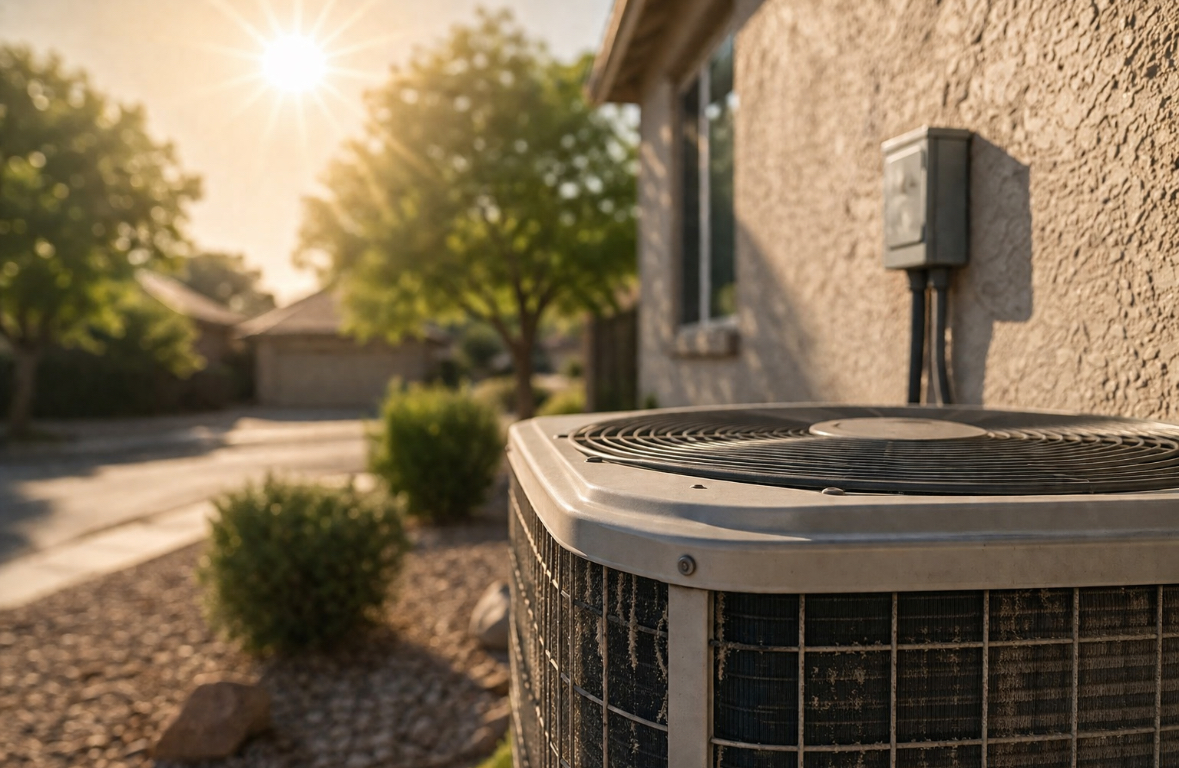
When your AC system fails in the middle of a hot Modesto afternoon, it’s not just uncomfortable, it’s urgent. While waiting for a technician, what you do in those first few minutes can directly impact repair time, system damage, and overall safety. Instead of guessing or making costly mistakes, there are specific steps you can take to stabilize your system and prepare for a faster, more efficient fix. In this guide, you’ll learn exactly how to handle an **AC emergency** before help arrives.
Turn Off Your AC System Immediately to Prevent Further Damage
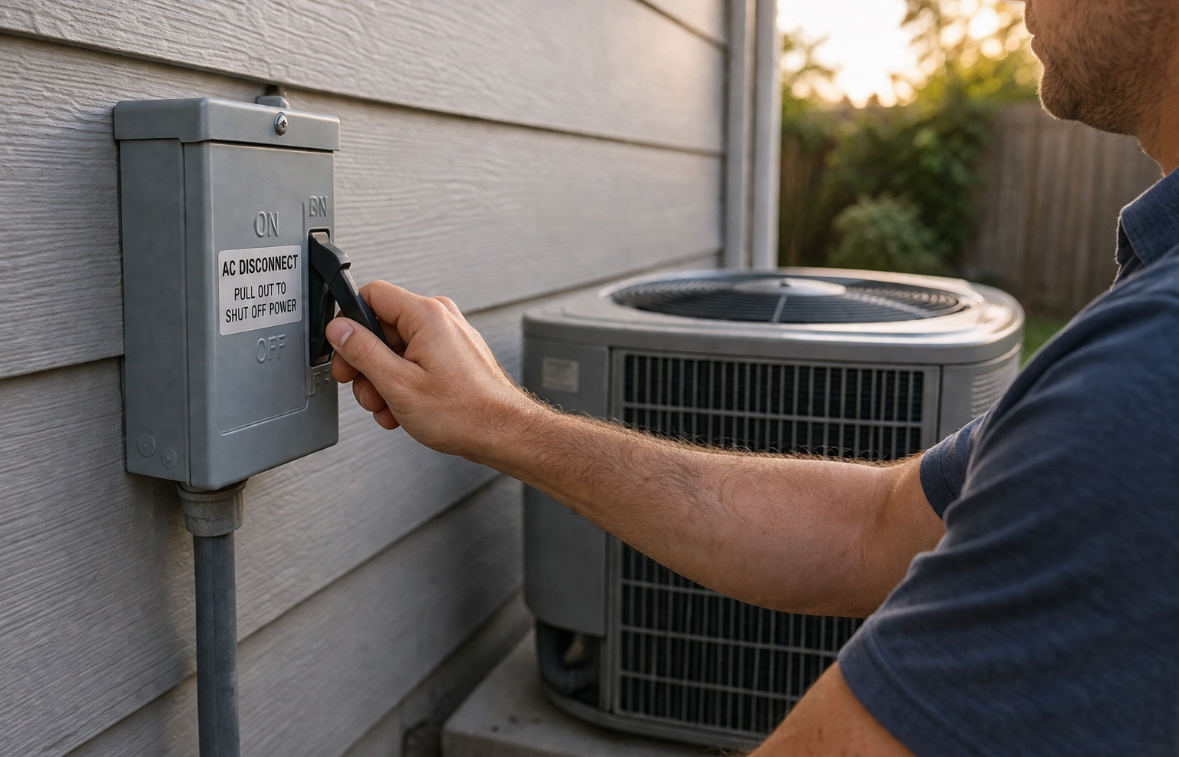
Why Shutting Down the System Is the First Priority
In Modesto, AC systems often fail during peak afternoon heat when components are already under stress. Continuing to run a malfunctioning unit can worsen internal damage, especially in attic-installed systems exposed to extreme temperatures. Turning it off immediately limits risk and protects key components.
| Emergency Sign | Risk If Left Running | Immediate Benefit |
|---|---|---|
| Warm air output | Compressor overheating | Prevents internal damage |
| Loud noises | Mechanical failure | Stops further wear |
| System stuck on | Electrical overload | Reduces fire risk |
| Unresponsive thermostat | Circuit damage | Protects wiring |
| Fan without cooling | Motor failure | Prevents burnout |
Shutting down your system early helps stabilize the situation and prevents additional damage. This simple step makes it easier for technicians to diagnose issues during an emergency AC repair and reduces the likelihood of costly component failures.
How to Safely Power Down Your HVAC System
Knowing how to shut down your system properly is essential during an AC failure. A controlled shutdown protects your equipment and prevents electrical hazards, especially during high-demand summer conditions in Modesto homes.
- Thermostat Off: Turn the thermostat to OFF to immediately stop all cooling cycles and system operation safely.
- Breaker Shutoff: Switch off the HVAC breaker to disconnect power and prevent electrical damage or overheating risks.
- Open Vents: Keep vents open to maintain airflow balance and avoid pressure buildup in duct systems.
- Avoid Restarting: Do not restart the system repeatedly, as this increases strain on already failing components.
Taking these steps ensures your system remains protected until professional help arrives. Proper shutdown reduces further complications and allows technicians to begin repairs efficiently during an urgent AC service situation.
Perform Basic Safety Checks Before Help Arrives
Check Electrical and Power-Related Issues
After turning off your system, checking for basic electrical issues can help identify simple causes of failure. In Modesto, heavy AC usage often leads to breaker trips or thermostat issues, especially during extreme heat conditions.
- Thermostat Check: Inspect display and batteries to ensure proper power supply and system communication functionality.
- Breaker Inspection: Check the panel for tripped breakers caused by overload during continuous system operation.
- Outlet Testing: Test nearby outlets to confirm whether the issue is localized or affecting the entire home.
- Single Reset: Reset the breaker only once to avoid masking serious electrical problems or system overload.
- Power Shutdown: Turn off system power completely if electrical issues are suspected to prevent further damage.
- Avoid Contact: Do not touch exposed wires or panels to reduce the risk of electrical shock or injury.
These checks help rule out simple issues and prevent further complications. They also provide useful insights for technicians handling an emergency AC repair, allowing faster and more accurate diagnosis once they arrive.
Inspect for Visible Warning Signs Around the Unit
A quick visual inspection can reveal important clues about what went wrong. In Modesto homes, especially with outdoor units and attic systems, visible signs often indicate deeper mechanical or airflow issues.
| Warning Sign | What You See | Likely Cause |
|---|---|---|
| Water leaks | Puddles or dripping | Blocked drain line |
| Burn marks | Scorched surfaces | Electrical failure |
| Ice buildup | Frost on pipes | Airflow restriction |
| Strange odors | Burning or musty smell | Mold or overheating |
| Debris blockage | Dirt around unit | Restricted airflow |
Observing these warning signs without touching the system helps prevent further damage. It also gives your technician a clearer starting point, which speeds up diagnosis and repair during an AC emergency.
Avoid Actions That Can Make the Situation Worse
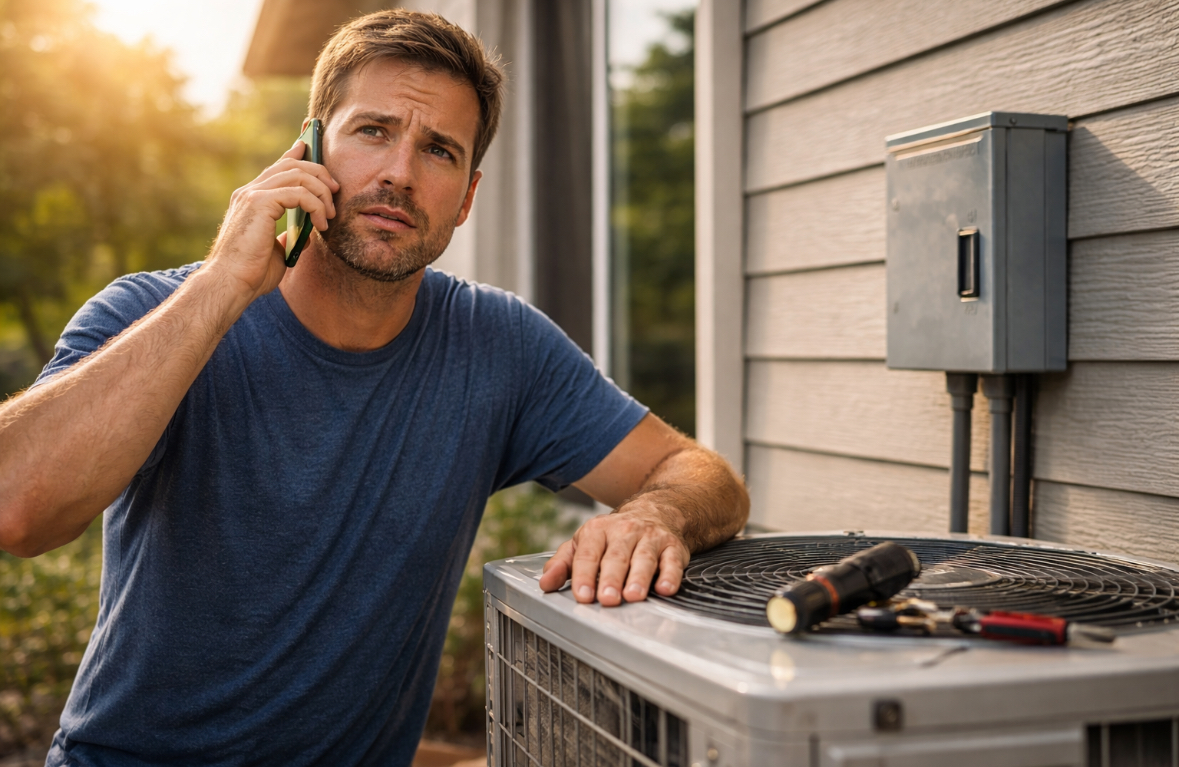
Why DIY Repairs Can Be Risky During Emergencies
During an AC breakdown, trying to fix the system yourself can often lead to bigger problems. HVAC systems are complex, and incorrect handling can damage sensitive components or create safety risks.
- Electrical Risk: Handling wiring without training can lead to shocks or dangerous system malfunctions.
- Component Damage: Incorrect adjustments can harm compressors, circuit boards, or other critical internal parts.
- Refrigerant Issues: Tampering with refrigerant lines can cause leaks and require expensive system repairs.
- Warranty Void: Unauthorized repairs can cancel manufacturer warranties and increase long-term repair costs.
- Attic Danger: Working in attic units exposes you to extreme heat and unsafe working conditions.
- Misdiagnosis Risk: Incorrect assumptions can delay proper repair and worsen system performance over time.
Avoiding DIY repairs keeps your system intact and safe. It ensures that technicians can properly assess the issue during an emergency AC repair without complications caused by incorrect handling.
Common Mistakes Homeowners Should Avoid
Even small actions during an AC emergency can unintentionally worsen the problem. Avoiding these common mistakes helps protect your system and prevent unnecessary repair delays.
- Frequent Restarting: Turning the system on repeatedly increases strain on already damaged components and wiring.
- Breaker Resetting: Resetting breakers multiple times can overload circuits and hide serious electrical issues.
- Blocked Vents: Covering vents restricts airflow and reduces system efficiency further during operation.
- Ignoring Signs: Overlooking noises or smells allows minor issues to escalate into major system failures.
- Wrong Settings: Incorrect thermostat settings can confuse system operation and delay accurate diagnosis.
- Delayed Service: Waiting too long during peak heat increases the risk of a complete system breakdown.
Avoiding these mistakes helps maintain system stability and reduces additional damage. It also ensures a smoother repair process when handling an air conditioning repair service, improving both repair speed and overall system performance.
Keep Your Home Cool and Safe While Waiting

Temporary Cooling Methods to Stay Comfortable
While waiting for your technician, maintaining indoor comfort becomes important. In Modesto’s extreme heat, temperatures can rise quickly, so using simple cooling strategies can help manage indoor conditions effectively.
- Close Curtains: Block sunlight entering your home to reduce heat buildup during peak daytime hours.
- Use Fans: Circulate air using portable or ceiling fans to improve comfort and airflow indoors.
- Stay Lower: Remain on lower floors where temperatures are naturally cooler than upper levels.
- Limit Appliances: Avoid using heat-generating appliances like ovens, dryers, or stoves during the day.
- Night Venting: Open windows during cooler hours to allow fresh air circulation inside your home.
- Room Isolation: Close unused rooms to concentrate cooling in occupied areas for better comfort.
These temporary solutions help reduce indoor heat buildup and maintain manageable comfort levels. They are especially useful during an AC emergency, keeping your home livable until professional repairs restore proper cooling.
Heat Safety Tips While Waiting for Emergency AC Repair
During a serious AC failure in Modesto’s extreme heat, indoor temperatures can rise quickly, especially in homes with attic systems or poor insulation. While waiting for professional emergency AC repair, taking a few basic precautions helps keep your household safe.
- Stay Hydrated: Drink water consistently to prevent dehydration as indoor temperatures begin rising rapidly.
- Limit Movement: Reduce physical activity indoors to avoid unnecessary heat exposure during peak afternoon hours.
- Check Vulnerable Members: Monitor children, elderly individuals, and pets closely as they are more heat-sensitive.
- Use Fans Carefully: Improve airflow with fans, but avoid relying on them in extreme indoor heat conditions.
- Block Sunlight: Keep curtains and blinds closed to reduce additional heat entering your living space.
- Plan Backup Cooling: Consider relocating temporarily if indoor temperatures become unsafe or uncomfortable.
These precautions help you manage short-term heat exposure safely while waiting for professional assistance. They are especially important during an AC emergency, where delays in cooling restoration can quickly impact indoor comfort and safety.
Prepare Your Home for the HVAC Technician

Steps to Make Inspection Faster and Easier
Before the technician arrives, preparing your space helps reduce delays and ensures faster diagnosis. In Modesto homes, especially with attic systems or outdoor units, limited access can slow down repairs. A few simple steps can significantly improve efficiency.
- Clear Access: Remove furniture, storage items, or debris blocking indoor units or outdoor condensers completely.
- Unlock Entry: Ensure gates, doors, and side paths are accessible for technicians to reach equipment easily.
- Secure Pets: Keep pets in a separate area to maintain safety and allow uninterrupted inspection work.
- Turn System Off: Confirm the system remains powered down to prevent risks during inspection and servicing.
- Clean Surroundings: Remove dust or clutter around units to help technicians identify issues quickly.
- Ensure Lighting: Provide proper lighting in attics or tight spaces to improve inspection visibility.
Preparing your home in advance allows technicians to focus directly on diagnosing the issue. This reduces downtime and helps resolve your AC emergency faster, especially during peak summer service demand in Modesto.
Information to Share With the Technician
Providing accurate information about your AC issue can significantly speed up the repair process. Many problems become easier to diagnose when technicians understand what happened before the system failed, especially during high-demand conditions.
- Issue Description: Clearly explain whether the system stopped, blew warm air, or showed inconsistent cooling.
- Start Timing: Mention when the problem began and whether it worsened during peak heat hours.
- Sound Details: Describe any unusual noises such as grinding, buzzing, or clicking during operation.
- Odor Signs: Report burning or musty smells noticed before or after the system stopped working.
- Thermostat Behavior: Explain any changes, errors, or unresponsiveness observed in thermostat settings.
- Repair History: Share details of previous repairs, maintenance, or recurring issues affecting system performance.
This information helps technicians arrive prepared and reduces guesswork during diagnosis. It ensures a faster and more accurate repair process during an AC emergency, minimizing downtime and restoring comfort more efficiently.
Why Fast Action Matters During an AC Emergency in Modesto
How Delays Can Lead to Bigger Problems
In Modesto’s extreme summer heat, even short delays can escalate minor AC issues into major system failures. Continuous heat exposure increases pressure on already damaged components, making quick action essential.
- Heat Buildup: Indoor temperatures rise quickly, stressing insulation, electronics, and structural components inside the home.
- System Strain: Running a failing unit increases wear on compressors and critical internal parts rapidly.
- Component Failure: Small issues can quickly escalate into major failures requiring expensive system replacements.
- Electrical Risk: Faulty wiring or overheating increases the risk of electrical hazards or system shutdown.
- Moisture Issues: Leaks or condensation problems worsen, leading to mold growth and indoor air concerns.
- Higher Costs: Delayed action often results in more extensive repairs and increased overall service expenses.
Taking immediate steps helps limit damage and keeps repair costs manageable. Acting early during an emergency AC repair situation ensures your system can be restored before problems become more severe.
Benefits of Acting Before the Technician Arrives
Taking the right actions before your technician arrives can make a noticeable difference in both repair speed and outcome. It helps stabilize the system and reduces unnecessary complications during service.
- Faster Diagnosis: Early checks and observations help technicians identify the issue more quickly.
- Reduced Damage: Preventive steps limit additional wear on already failing components or systems.
- Safer Environment: Proper shutdown and preparation reduce electrical and mechanical safety risks.
- Improved Efficiency: Technicians can begin work immediately without delays caused by access or system issues.
- Lower Repair Time: Clear information and preparation reduce troubleshooting time significantly.
- Better Outcomes: Early action improves chances of resolving issues without major component replacements.
These steps create a smoother repair process and reduce overall stress during an AC failure. Being proactive during an AC emergency ensures your system is restored faster and operates reliably once repairs are complete.
Why Choose Dycus for AC Repair in Modesto, CA
When your air conditioning system fails during a Modesto heatwave, what you do before the technician arrives matters, but choosing the right HVAC partner determines how quickly your comfort is restored. In extreme Central Valley conditions, fast response and accurate diagnosis are critical to prevent further system damage.
At Dycus Heating and Air, we respond to AC emergencies with urgency and precision. With 25 years of HVAC experience and NATE-certified technicians, we know how to handle high-demand systems, attic installations, and airflow challenges common in Modesto homes. Our focus is on identifying the root issue quickly and fixing it correctly, so your system runs reliably after the repair, not just temporarily.
If your AC has stopped cooling, is making unusual noises, or is struggling to keep up, it’s best to act before the problem gets worse. Get fast, reliable help with professional emergency AC repair and restore comfort to your home without unnecessary delays.